

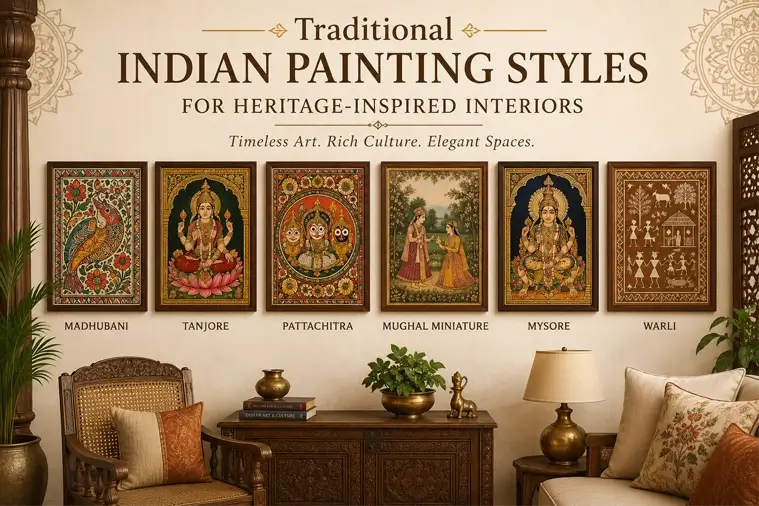
Traditional Indian painting styles are known for their rich cultural symbolism, handcrafted detailing, and timeless artistic character. From Madhubani and Pattachitra to Tanjore and Mysore paintings, these traditional art forms continue to influence heritage-inspired interiors across India and beyond.
Unlike modern decorative artwork, traditional Indian paintings often reflect mythology, regional traditions, folk stories, spirituality, and historical craftsmanship. These paintings are commonly used in cultural interiors, ethnic spaces, boutique hotels, heritage homes, and classic décor environments where artistic authenticity and cultural identity are important.
In this guide, we’ll explore some of the most popular traditional Indian painting styles and understand how they add cultural depth and heritage-inspired character to interior spaces.
Traditional Indian paintings are deeply connected to regional culture, spirituality, craftsmanship, and storytelling traditions. Each art style reflects the history and artistic identity of its region through unique colour palettes, motifs, textures, and painting techniques.
Many heritage-inspired interiors today use traditional Indian artwork to create a stronger sense of cultural character and artistic authenticity.
Traditional Indian paintings continue to remain relevant because they combine artistic craftsmanship with strong cultural identity. Their handcrafted detailing, symbolic themes, and regional uniqueness help create interiors that feel more authentic, artistic, and culturally expressive.
Many heritage-inspired spaces today use traditional Indian artwork to strengthen visual character and preserve cultural aesthetics within modern interiors.
Explore Original Handmade Paintings Collections
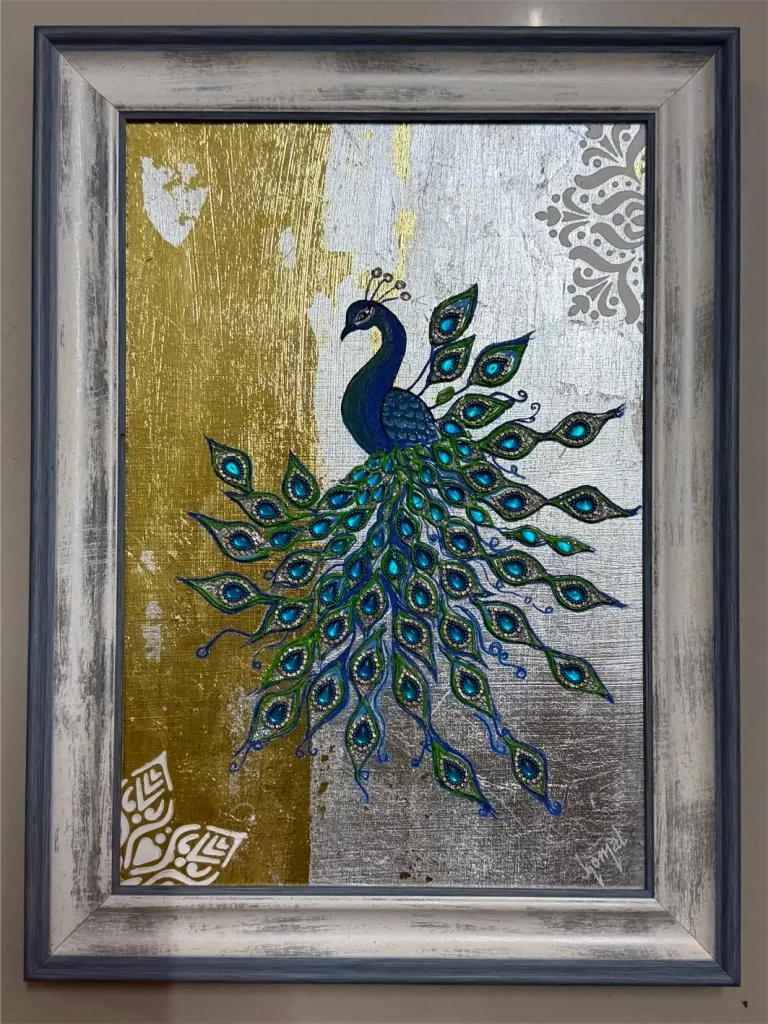
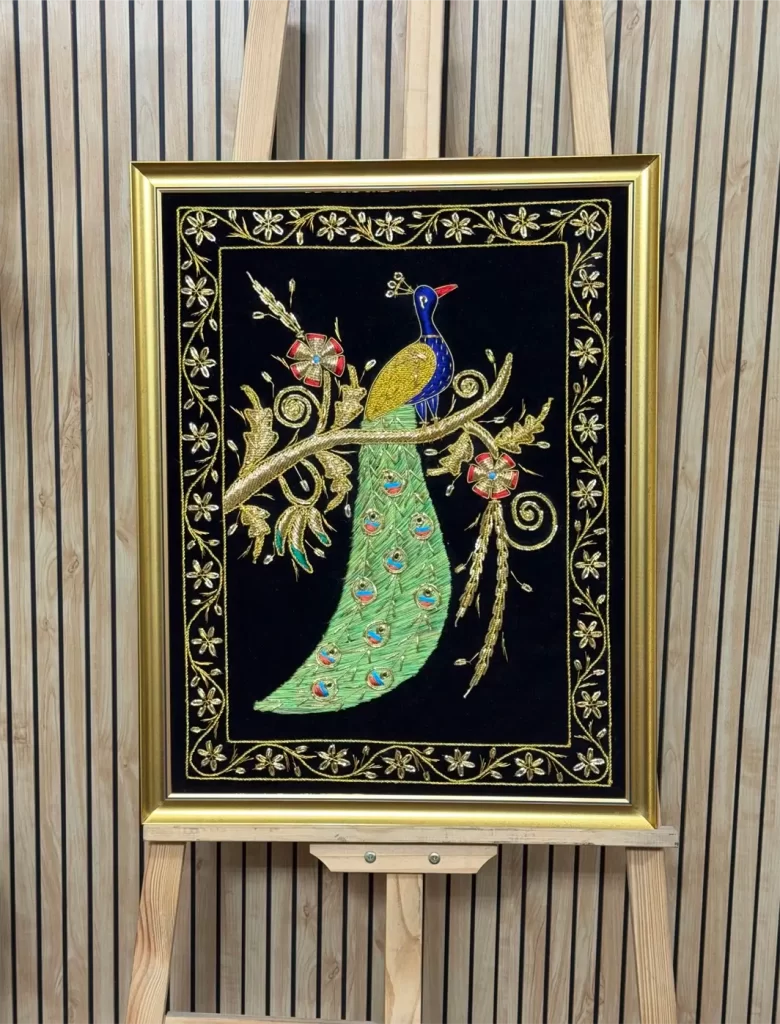
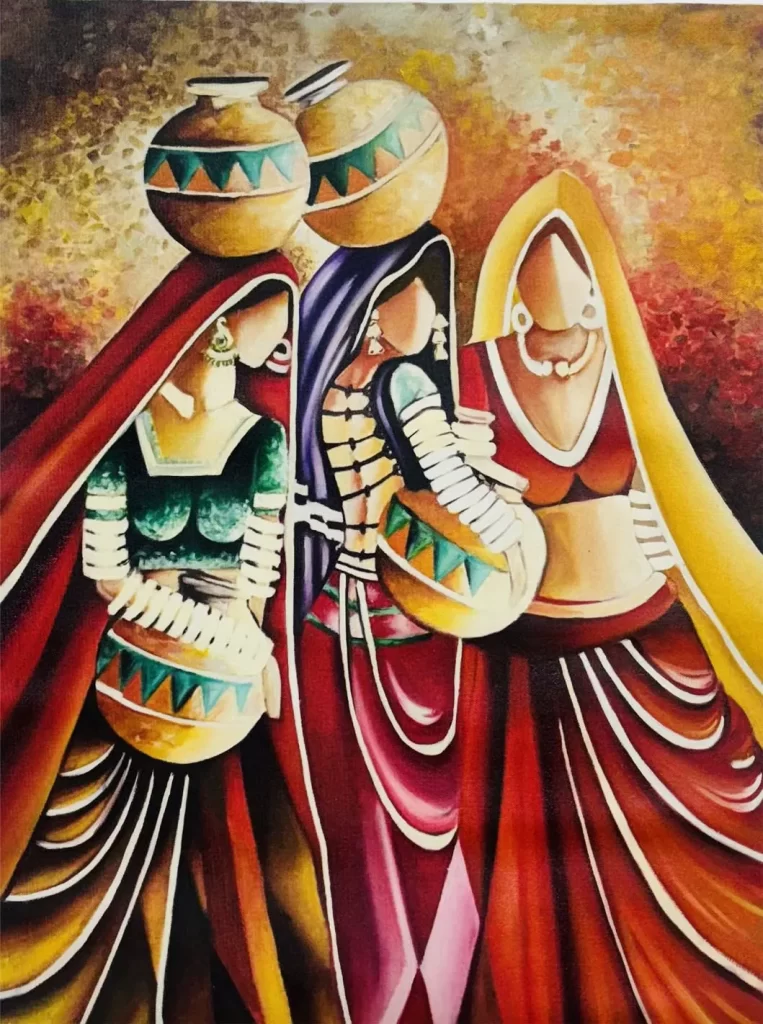
Madhubani paintings originate from the Mithila region of Bihar and are known for their intricate patterns, bold outlines, and vibrant natural colours. Traditional Madhubani artwork often features nature, animals, mythology, and folk-inspired themes.
These paintings are commonly used in heritage-inspired interiors because they add strong cultural character and handcrafted artistic detail to walls and interior spaces. Madhubani artwork works especially well in ethnic interiors, boutique hotels, cultural spaces, and traditional décor environments.
Many heritage-inspired interiors today also use handmade Indian paintings that reflect traditional craftsmanship and strong cultural identity.
Tanjore paintings, originating from Tamil Nadu, are recognized for their rich colours, decorative detailing, and gold-foil embellishments. These traditional paintings often feature spiritual themes, classical Indian motifs, and handmade artistic compositions.
Tanjore artwork is widely used in heritage-inspired interiors because it adds a sense of cultural richness, artistic elegance, and traditional Indian craftsmanship to interior spaces. These paintings are commonly displayed in cultural interiors, meditation spaces, boutique hotels, and classic Indian environments.
Pattachitra paintings originate from Odisha and West Bengal and are known for their detailed line work, mythological storytelling, and traditional handcrafted style. These paintings typically feature bold borders, decorative patterns, and vibrant natural colours.
Pattachitra artwork is often used in heritage-inspired interiors because it adds strong cultural identity and traditional artistic character to interior spaces. These paintings work especially well in ethnic interiors, cultural centers, and classic Indian décor environments.
Mughal Miniature paintings are known for their intricate detailing, fine brushwork, and elegant portrayal of royal life, landscapes, and historical themes. These traditional artworks reflect the artistic influence of the Mughal era through refined compositions and decorative craftsmanship.
Mughal Miniature artwork is often used in heritage-inspired interiors because it creates a sense of classical elegance and historical character. These paintings work particularly well in luxury cultural spaces, boutique hotels, heritage properties, and traditional Indian interiors.
Mysore paintings originate from Karnataka and are known for their soft colour palettes, refined detailing, and graceful artistic compositions. These paintings often feature traditional Indian themes with delicate handcrafted finishing and decorative elegance.
Mysore artwork is commonly used in heritage-inspired interiors because it creates a calm and sophisticated visual atmosphere. These paintings are suitable for cultural spaces, traditional Indian interiors, meditation rooms, and heritage-style environments.
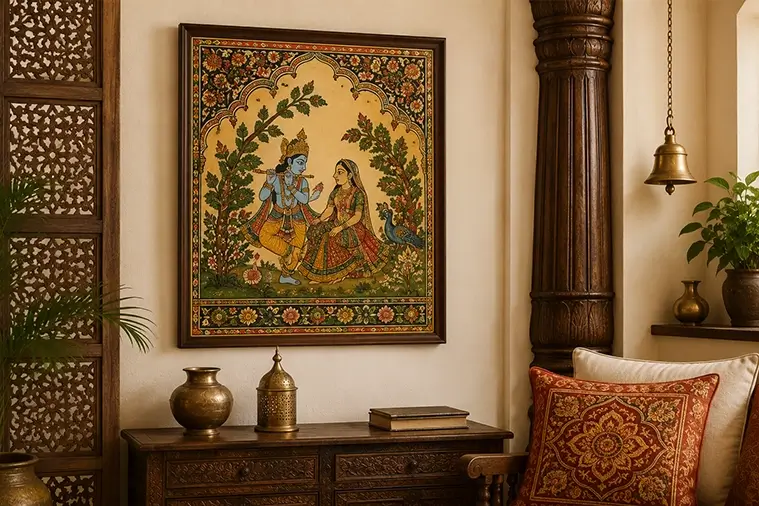
Traditional Indian paintings often reflect mythology, spirituality, nature, folk traditions, royal heritage, and cultural storytelling. These themes help traditional artwork feel visually meaningful and culturally expressive.
Some of the most common themes found in Indian paintings include:
• mythological scenes and spiritual symbolism
• nature-inspired artwork and wildlife motifs
• village life and folk traditions
• royal courts and historical storytelling
• traditional festivals and cultural celebrations
These themes give traditional Indian artwork a timeless cultural identity that works well in heritage-inspired and ethnic interior spaces.


Traditional Indian paintings continue to remain popular because they combine handcrafted artistry with strong cultural identity. Their timeless themes, regional uniqueness, and decorative richness make them suitable for heritage-inspired interiors and culturally expressive spaces.
Unlike mass-produced decorative artwork, traditional Indian paintings often carry artistic depth and regional storytelling that help interiors feel more authentic and visually distinctive.
Traditional Indian paintings help interiors feel more artistic, culturally rich, and visually distinctive. Their handcrafted detailing, symbolic themes, and regional artistic identity can strengthen the atmosphere of heritage-inspired spaces.
These artworks are commonly used in:
because they add both cultural authenticity and timeless artistic character to interior environments.
Curated traditional Indian wall artwork can help heritage-inspired spaces feel more artistic, culturally expressive, and visually distinctive.
Traditional Indian painting styles are regional art forms that reflect India’s cultural heritage, mythology, craftsmanship, and storytelling traditions. Popular styles include Madhubani, Tanjore, Pattachitra, Warli, Kalamkari, and Mughal Miniature paintings.
Madhubani, Tanjore, Pattachitra, and Mughal Miniature paintings are commonly used in heritage-inspired interiors because they add strong cultural character, handcrafted detail, and timeless artistic appeal to interior spaces.
Traditional Indian paintings help interiors feel more artistic, culturally expressive, and visually distinctive. Their handcrafted detailing, symbolic themes, and regional identity create a richer and more authentic atmosphere.
Yes, traditional Indian artwork can also work well in modern interiors when used carefully. Many contemporary spaces use ethnic Indian paintings to add cultural depth, handcrafted texture, and artistic contrast to modern décor styles.
Madhubani paintings are known for their intricate patterns, bold outlines, vibrant colours, and folk-inspired themes. These paintings originate from Bihar and are widely appreciated for their strong cultural and artistic identity.
Tanjore paintings are popular because of their decorative richness, gold-foil detailing, and traditional artistic elegance. They are often used in cultural spaces, meditation areas, and heritage-style interiors.
Pattachitra, Mughal Miniature, Madhubani, and Mysore paintings are commonly used in boutique hotels, heritage properties, and cultural interiors because they create a refined and culturally rich atmosphere.
Handmade traditional Indian paintings usually provide more artistic depth, texture, originality, and cultural authenticity compared to printed artwork, making them more suitable for heritage-inspired interiors.
Traditional Indian painting styles continue to influence heritage-inspired interiors through their cultural symbolism, handcrafted detailing, and timeless artistic identity. From Madhubani and Tanjore paintings to Pattachitra and Mughal Miniature artwork, each style reflects a unique part of India’s artistic heritage.
Whether used in boutique hotels, heritage homes, cultural spaces, or ethnic interiors, traditional Indian paintings help create spaces that feel more artistic, culturally expressive, and visually distinctive.
Choosing handmade Indian artwork with strong regional identity can add long-lasting cultural and aesthetic value to interior environments.