


Lord Ganesha—widely known as the symbol of new beginnings—is one of the most loved deities in Indian homes. Whether placed at the entrance, in the living room, or inside the Pooja room, Ganesha art can transform the energy of your home, radiating peace, positivity, and prosperity.
But choosing the right Ganesha painting, or wall art requires understanding symbolism, Vastu considerations, design compatibility, and how different forms of Ganesha influence your space. If you’re planning to bring this spiritual energy into your home, you can also explore handmade paintings collection that reflects traditional and meaningful artwork for entrance and puja spaces..
This guide covers everything you need to know before selecting Ganesha art for your home entrance or Pooja room.
Ganesha artworks are believed to:
The entrance of your home is the first point where energy flows in, making it the perfect place for auspicious Ganesha art. Similarly, the Pooja room is the soul of your house, where sacredness and devotion thrive.


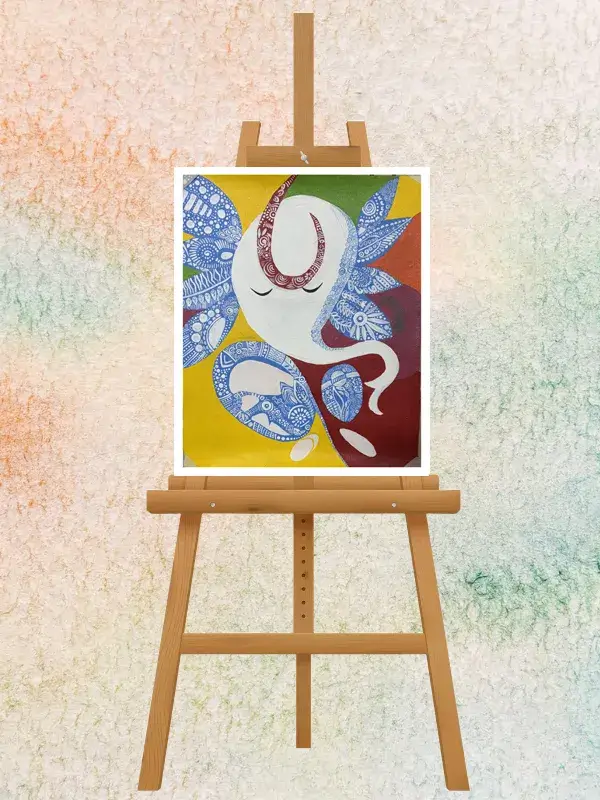
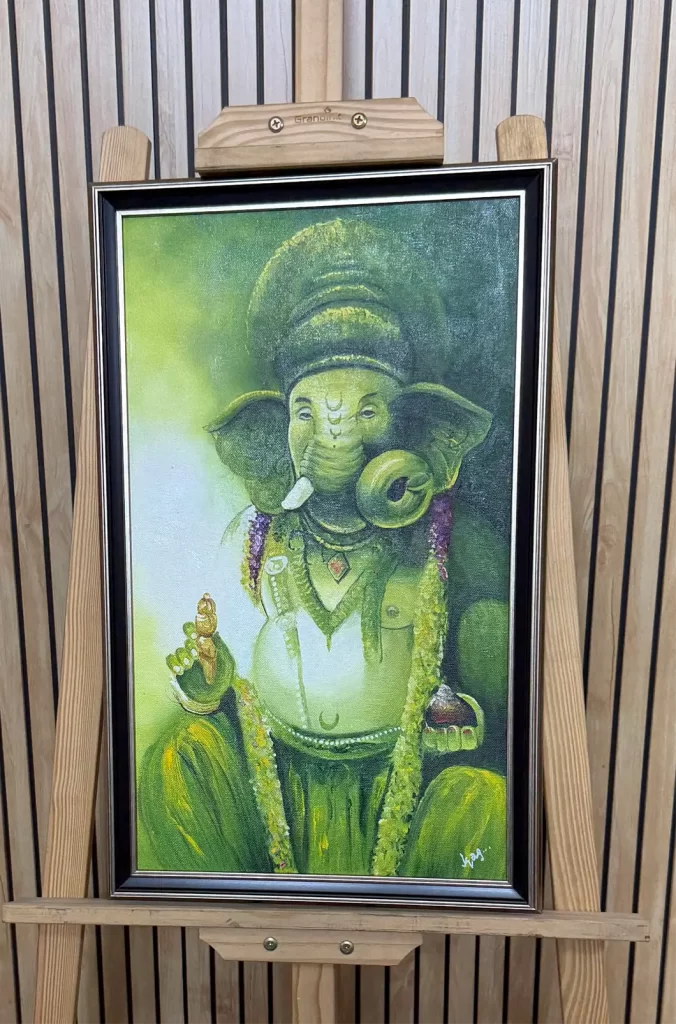

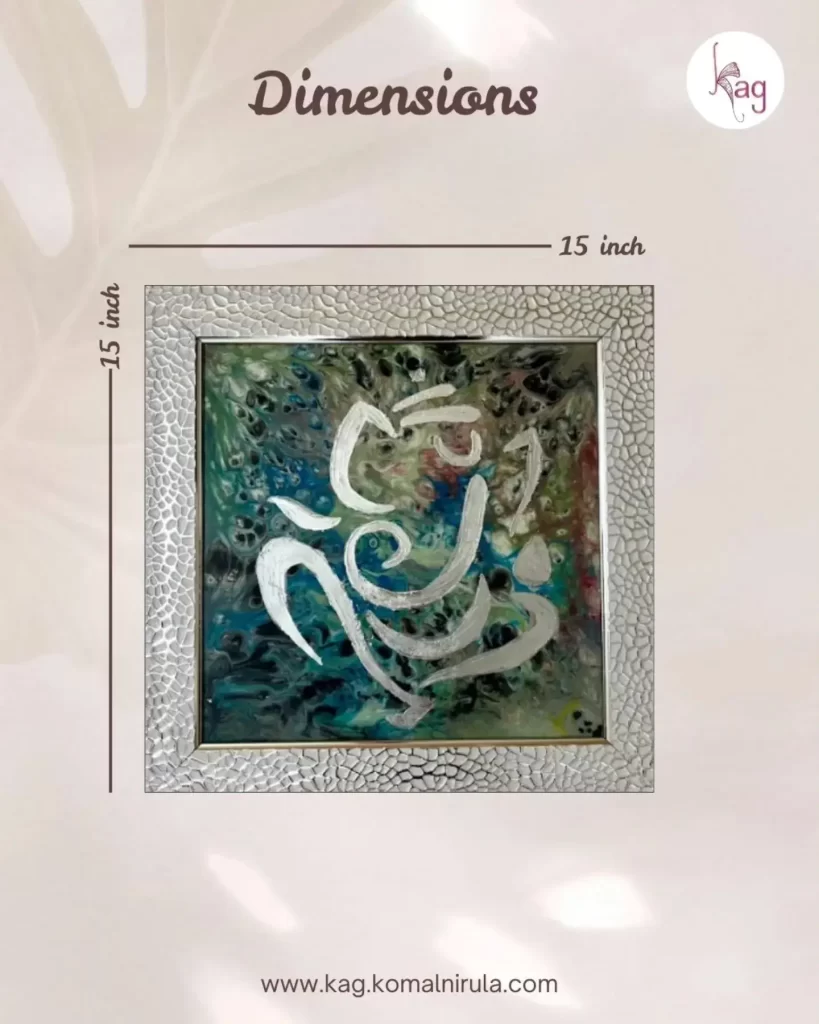
Before choosing the artwork, it’s very important to know the symbolism of Ganesha forms and poses.
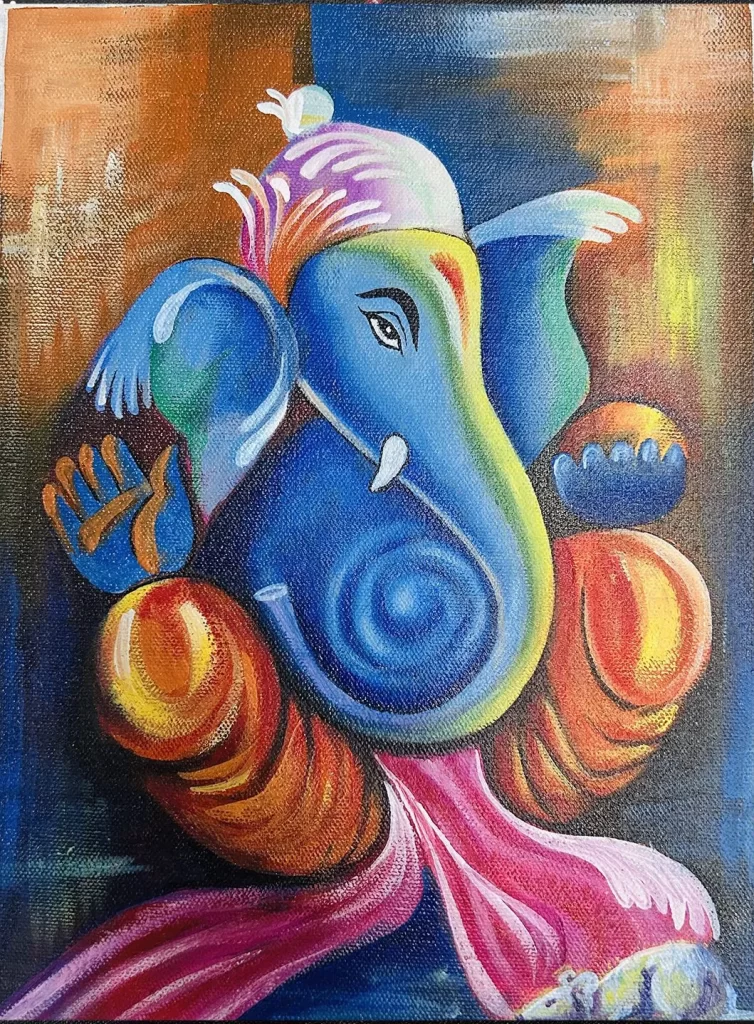
A seated Ganesha represents calmness, peace, and stability.
Best for:
Ideal for homeowners seeking balance and emotional grounding.
Symbolizes joy, creativity, and dynamic energy.
Best for:
Perfect for encouraging movement, growth, and celebrations.
Represents readiness to remove obstacles and guard the home.
Best for:
Often associated with protection and overcoming challenges.
Gond, Madhubani, Warli, and Pattachitra Ganesha artworks bring cultural richness.
Best for:

Minimalist lines, brush strokes, or geometric art.
Best for:
Adds sophistication while maintaining spiritual intent.
Ideal for Pooja room interiors or entrance niches.
Benefits:
Also read:- How Landscape Paintings Enhance Your Home Décor (Complete Guide)
Following Vastu ensures harmony and positive energy flow.
Best Directions to Place Ganesha Art
Avoid These Placements
The entrance sets the tone of the entire house. Ganesha at the entrance not only looks beautiful but also invites abundance and positivity.
Features to Look for in Entrance Ganesha Art
Good Styles for Entrance Areas
The Pooja room should reflect devotion and serenity. Here’s how to choose the right Ganesha art for this sacred space.
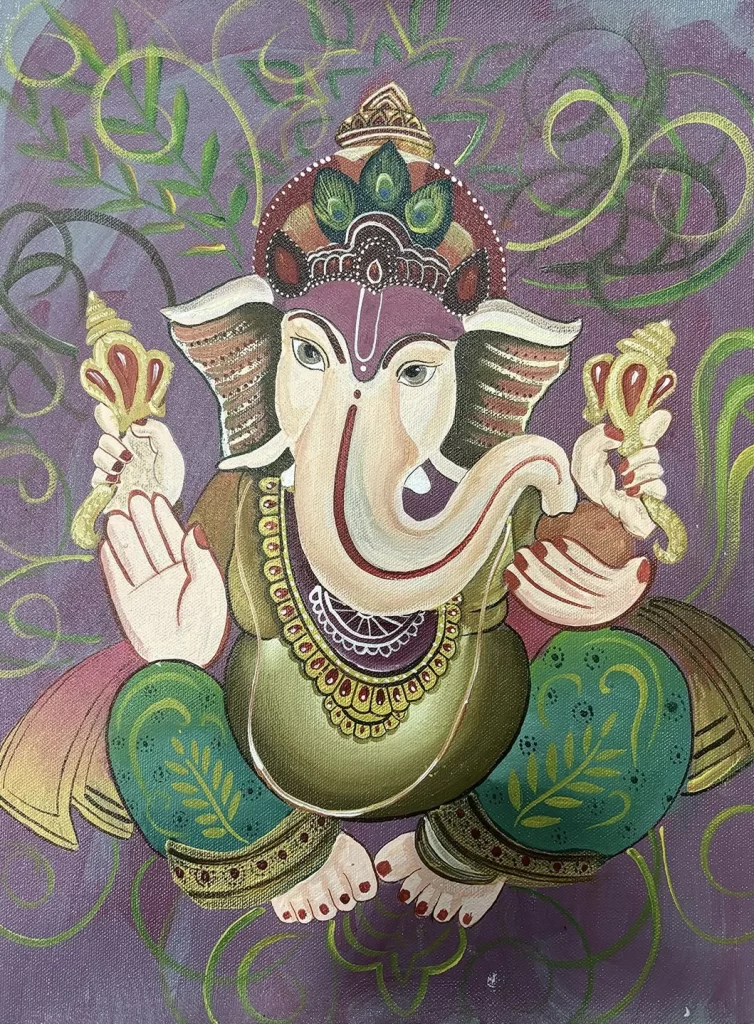
Key Considerations
Also read: – Spiritual Benefits of Ganesha Paintings at Home
Lighting Tip:
Backlit jaali panels or soft warm spotlights create a divine glow around the artwork.
Choosing artwork that complements your home’s theme enhances aesthetic harmony.
A. Modern Minimalistic Homes
Choose:
Palette: whites, greys, gold, matte black.
B. Traditional Indian Interiors
Choose:
Palette: deep reds, mustard, gold, browns.
Choose:
Palette: terracotta orange, olive, browns, ochre.
D. Luxury Interiors
Choose:
Palette: ivory, champagne gold, soft pastels.
Also read:- How Buddha Paintings Bring Peace and Positivity to Your Home
Colours influence mood, energy and the spiritual feel of the space.
| Colour | Meaning | Ideal Placement |
| Yellow | Knowledge, positivity | Entrance or study room |
| White | Peace, purity | Puja room |
| Orange | Energy, devotion | Living room |
| Green | Prosperity | Near plants or east walls |
| Red | Power, strength | Large walls, artistic spaces |
Small Spaces
Choose mini canvas art or wall-mounted sculptures.
Medium Spaces
Choose single framed artworks (16×20 or 24×36 inches).
Large Walls
Choose:
If you’re looking for premium, handmade Ganesha paintings that bring elegance, positivity, and spiritual depth to your home, explore the exclusive collection available on Komal’s Art Gallery. Where each artwork is carefully crafted using high-quality materials and intricate detailing, making it perfect for your entrance, living room, or Puja room.
Whether you prefer traditional styles or modern interpretations of Lord Ganesha, you’ll find stunning pieces that beautifully align with your décor and Vastu preferences.
👉 Browse the full collection here: Handmade Art Collection
| Material | Pros | Best For |
| Canvas | Lightweight, versatile | Entrance areas |
| Brass | Auspicious, long-lasting | Pooja room |
| Marble | Luxurious, spiritual | Puja or meditation room |
| Wood | Warm, traditional | Entrances |
| Metal Art | Modern, durable | Foyers & hallways |
1. Which type of Ganesha art is best for the home entrance?
A dancing or standing Ganesha is ideal for entrances as it symbolizes energy, joy, and protection.
2. What is the best direction to place Ganesha art?
The north-east is the most auspicious direction, followed by the north and west.
3. Can I place Ganesha paintings in the living room?
Yes, Ganesha paintings bring positivity and harmony to the living room.
4. Is abstract Ganesha art suitable for Puja rooms?
Minimal or semi-abstract forms are fine, but extremely distorted versions should be avoided in sacred spaces.
5. What size artwork should I choose for my entrance?
Medium to large-sized artwork works best for entry walls to create a welcoming visual impact.
6. Can I keep multiple Ganesha idols together?
Avoid clustering multiple idols; choose one main artwork for harmony and focus.

One Response