


In today’s contemporary homes—where clean lines, open spaces, and neutral palettes dominate—abstract art introduces emotion, movement, and individuality. This article explains why abstract art is essential in modern homes, how to choose the right pieces, and where to place them for maximum impact.
If you’re planning to upgrade your interiors, you can also browse handmade abstract artwork for contemporary home decor that complements modern design styles and enhances your space naturally.
It transforms the atmosphere, expresses personality, and adds depth and energy that no other décor piece can replicate.
In today’s contemporary homes—where clean lines, open spaces, and neutral palettes dominate—abstract art introduces emotion, movement, and individuality. This article explains why abstract art is essential in modern homes, how to choose the right pieces, and where to place them for maximum impact.
Abstract art doesn’t attempt to represent reality. Instead, it uses:
to create a unique visual expression. This opens room for interpretation, meaning two people can experience the same painting differently—making your home feel more personal and emotionally engaging.
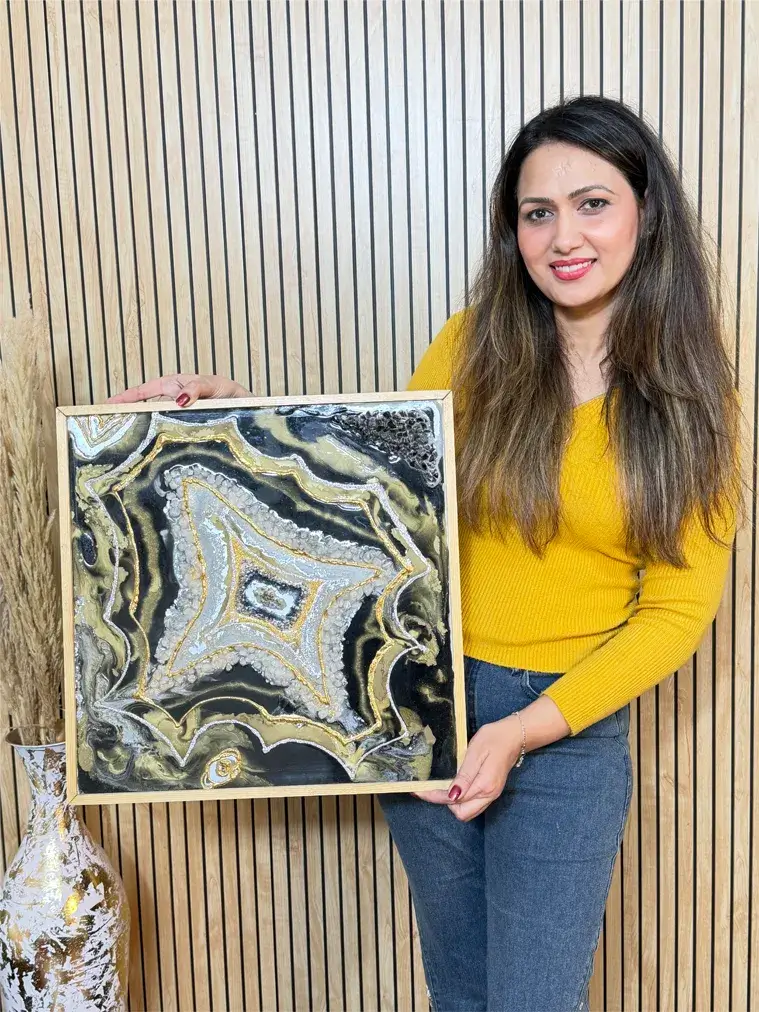
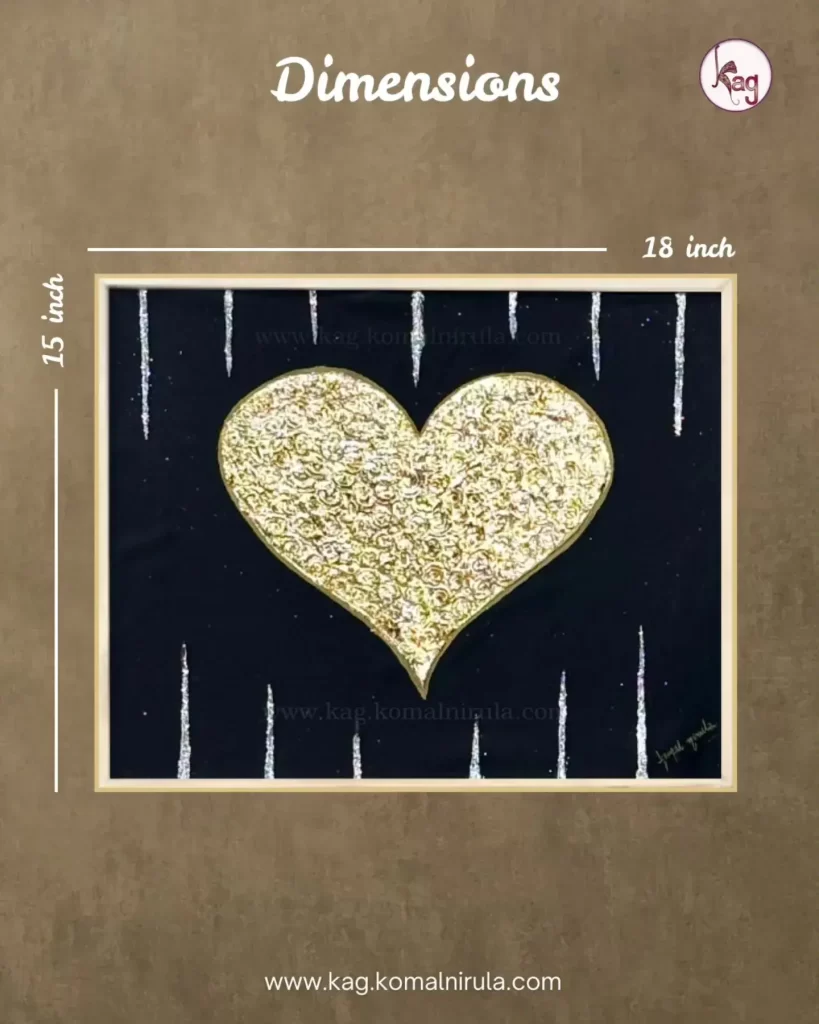
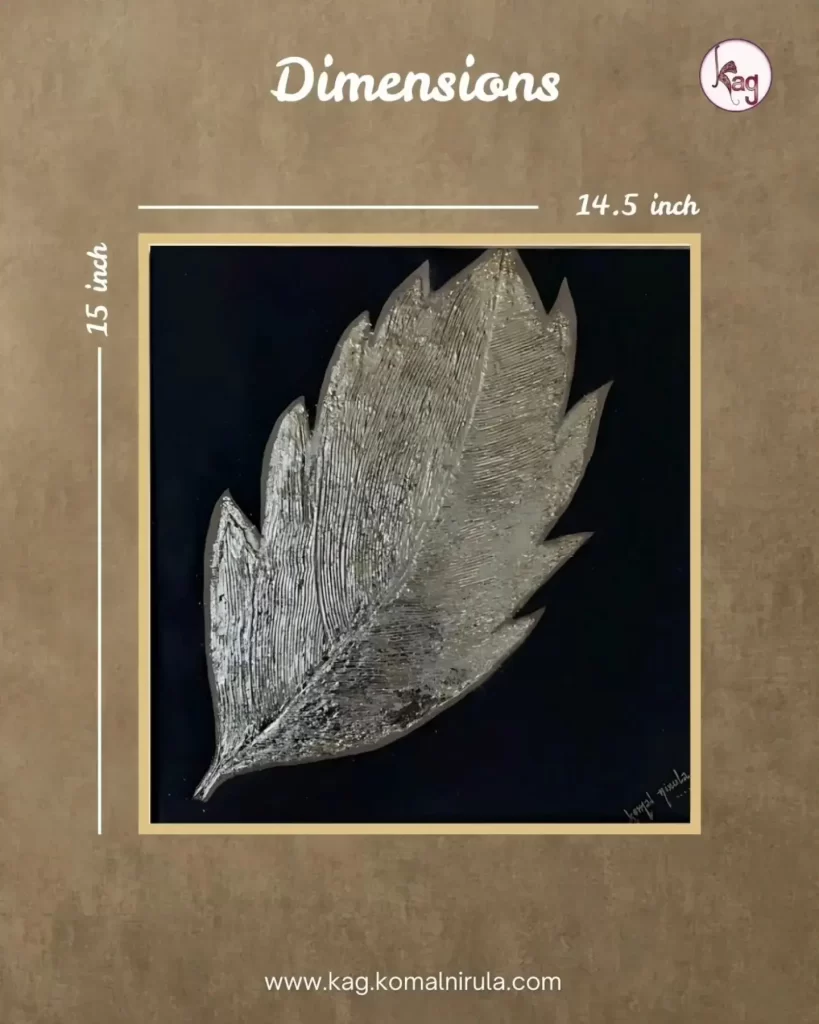
Modern interior design focuses on simplicity—neutral colours, clean layouts, and minimal ornamentation. While this look is sleek and elegant, it can sometimes feel plain or predictable.
Abstract art solves that perfectly.
Your home should reflect your identity. Abstract art allows you to express your:
Unlike realistic art, which has a fixed meaning, abstract art leaves room for interpretation, making it more personal.
A fiery red abstract piece may symbolize passion and energy.
A cool blue splash of textures may represent peace, clarity, and modern elegance.
Whether you live in:
abstract art fits beautifully into every type of interior.
One reason interior designers love abstract art is its colour flexibility. Whether your home has:
…there is always an abstract artwork that fits perfectly.
A well-chosen abstract painting ties the room together like a beautifully composed melody.
Also read: How to Frame and Display Handmade Paintings: A Complete Guide for Art Lovers

Contemporary interiors are often flat or uniform in texture. Abstract art brings the missing elements of:
Consider textured abstract art with visible brush strokes, acrylic layering, metallic highlights, or fluid movement. These elements create vibrancy and transform plain walls into artistic statements.
Many contemporary homes include features such as:
These settings are perfect for abstract art because:
👉 In short, modern architecture and abstract art work hand-in-hand.
Abstract art naturally sparks curiosity.
Guests often ask:
It creates a cultural and emotional connection between people.
A home feels more sophisticated and thoughtful when decorated with art that inspires conversation.
Whether you love simplicity or boldness, abstract art adapts beautifully.
This versatility makes abstract art one of the most functional décor elements ever created.
You don’t need to invest in expensive galleries to enjoy abstract art.
Affordable options include:
This flexibility allows homeowners to decorate beautifully without overspending.
Strategically placed abstract artwork can create the illusion of:
For example:
This makes abstract art extremely useful for apartments and compact homes.
Abstract art can enhance every part of your home when placed thoughtfully. Each space has a different purpose, and choosing the right artwork helps create the desired mood and visual balance.

The living room is the most important space to showcase abstract art, as it acts as a central gathering area. A well-placed painting can instantly become a focal point and define the overall aesthetic of the room.
Tips:
Abstract art in the bedroom should promote relaxation and calmness. Soft tones and minimal designs work best to create a peaceful atmosphere.
Tips:
The dining space benefits from abstract art that adds warmth and subtle energy. The right artwork can enhance the dining experience and make the area feel more inviting.
Tips:
Hallways and entryways are often overlooked, but they are perfect for showcasing abstract art. These areas create the first impression of your home.
Tips:
Abstract art in a workspace can boost creativity, focus, and productivity. The right colours and patterns can subtly influence your mindset while working.
Tips:
Staircase walls offer a unique opportunity to display larger or vertical abstract artworks. This area can become a striking visual feature in your home.
Tips:
Also read: Handmade Paintings: Pricing Guide and What to Expect


Choosing abstract art is not just about what looks good—it’s about selecting a piece that complements your space, enhances mood, and aligns with your interior style. Here’s how to make the right choice without confusion.
👉 The artwork should support the purpose of the room, not fight against it.
Abstract art should either blend with your existing colors or create a balanced contrast.
💡 Tip: Even one shared color between art and décor can tie the entire room together.
Size is one of the biggest mistakes people make.
👉 Too small looks lost, too big feels overwhelming.
Not all abstract art fits every design style.
👉 The artwork should enhance your theme—not clash with it.
Abstract art is not just visual—it’s tactile.
👉 You can also buy handmade paintings available for sale that bring a bold, modern artistic touch to your home décor.
Think about where the artwork will be placed and how it will be viewed.
Abstract art is subjective—there is no “right” or “wrong.”
👉 Emotional connection is what makes abstract art powerful.
1. Why is abstract art so popular in contemporary homes?
Abstract art is popular because it adds personality, depth, and modern elegance to interiors. It complements minimalist décor and enhances the overall aesthetic of contemporary homes.
2. Does abstract art suit all types of interior styles?
Yes. Abstract art blends well with minimalistic, Scandinavian, industrial, bohemian, and luxury modern interiors.
3. How do I choose the right abstract painting for my home?
Choose based on your room’s theme, colour palette, available wall space, and the emotional tone you want to create.
4. Where is the best place to hang abstract art?
Ideal locations include the living room, bedroom, dining room, entryway, and home office walls.
5. Is abstract art expensive?
Not necessarily. While original works can be costly, there are plenty of affordable options such as canvas prints, local artist creations, and digital art.
6. Can abstract art make a small home look bigger?
Yes, using larger or vertical abstract pieces can create a sense of height and openness, making small spaces appear visually larger.