


Handmade paintings add character, elegance, and emotional value to your home. Whether it’s a watercolor masterpiece, oil painting, textured artwork, or acrylic canvas, caring for it properly ensures that it stays vibrant for years. While many people invest in purchasing original handmade paintings, few know the correct techniques to preserve them at home.
This guide will walk you step-by-step through how to protect, clean, display, and store your handmade artworks, helping you maintain their original charm—all without needing professional restoration services.
If you own original artwork or are planning to add one to your space, it’s important to understand how to maintain it properly. You can also explore handmade paintings created with durable materials that are easier to maintain over time.
Each handmade artwork is unique in texture, pigment, and technique. Unlike prints, handcrafted pieces react more sensitively to elements such as:
Proper care keeps them safe from fading, cracking, warping, mold, or unexpected damage.
Whether you’re displaying a modern acrylic canvas or traditional oil art, your approach to maintenance makes all the difference.




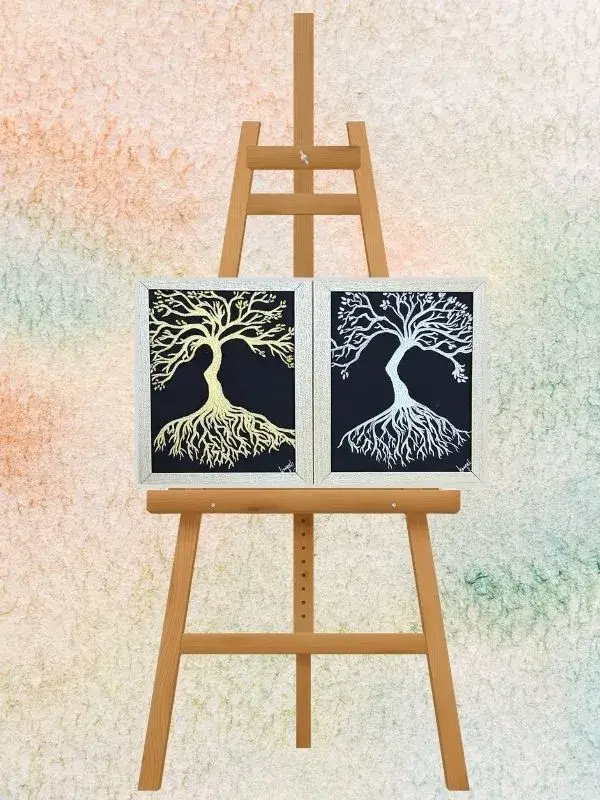
Sunlight is one of the biggest enemies of handmade art. Ultraviolet rays accelerate paint fading and weaken canvas fibers.
Best Display Practices
Example: A watercolour landscape hanging opposite a large window may lose 20–30% pigmentation in 3–5 years due to direct sun exposure.
Painting materials react to environmental conditions. Too much humidity causes mold growth, while excessive dryness can make paint crack.
| Environmental Factor | Recommended Level | Risk if Ignored |
| Temperature | 18–22°C (64–72°F) | Cracking & Paint Stress |
| Humidity | 40–55% | Mold, Warping, Canvas Stretch |
Tips
✅ Use dehumidifiers during monsoons
✅ Avoid hanging paintings above a fireplace
✅ Keep away from air conditioners & heaters
Even premium hand-painted wall art may warp if hung near heat sources.
Moist spots accelerate mold growth and may weaken the canvas.
Avoid These Places:
If you love decorating bathrooms, choose metal or print decor, not canvas paintings.
Also read: Top 10 Handmade Paintings to Beautify Your Home

Dust accumulation can dull the vibrance of paintings. However, improper cleaning can cause scratches and pigment loss.
How to Clean It
✅ Use a soft, dry microfiber cloth
✅ Gently swipe in one direction
✅ Avoid water, soap, or chemicals
⛔ Never use wet cloths on watercolor or charcoal works.
These should only be cleaned by professionals.
Oils from skin can damage paint layers. Always handle with care.
Tips
✅ Wash & dry hands before touching
✅ Use cotton gloves for expensive works
✅ Hold the frame—not the canvas
One accidental fingerprint can permanently alter delicate watercolor paintings.
Framing protects paintings from dust, moisture, and physical damage.
Best Options
Unframed canvases can also be protected using varnish coatings.
Using a high-quality frame is one of the easiest ways to preserve the beauty of your paintings for decades.
Best Storage Tips
✅ Wrap in acid-free paper
✅ Store vertically, not flat
✅ Keep in cool, dark place
Not all artworks stay on walls forever—many get stored. Follow correct storage methods to avoid damage.
Avoid
❌ Plastic wrap (traps moisture)
❌ Cardboard boxes (attract insects)
Like natural fabrics, exposure leads to inevitable wear. Rotating paintings helps reduce imbalance in exposure and stress.
How Often?
Every 3–6 months
A varnish layer shields acrylic and oil paintings from dirt & UV rays.
Types of Varnish
When applying, ensure paint is fully cured.
Watercolor and charcoal should NOT be varnished.
Also read: Why Handmade Paintings Make Perfect Gifts | Unique, Meaningful & Timeless
Termites can damage framing & fungi can degrade canvas fibers.
Keep the area clean and pest-free.
Paint splashes, debris, and accidental hits can cause severe damage.
Quick Safety Tips
✅ Remove all paintings beforehand
✅ If removal isn’t possible, cover tightly
✅ After renovation, clean walls before re-hanging

Each medium has different care needs:
| Type of Painting | Cleaning Method | Warning |
| Acrylic | Dry microfiber cloth | No harsh chemicals |
| Oil | Soft brush | Avoid water |
| Watercolor | Air dust only | Do not touch surface |
| Charcoal/Pastel | Framed under glass | No direct cleaning |
| Mixed Media | Consult artist | Texture may get damaged |
Riya purchased a textured acrylic painting from KAG. She hung it near her living room balcony with natural sunlight.
After 18 months, she noticed fading in one corner.
A professional explained that UV exposure damaged pigments.
She later:
The artwork regained vibrancy with minor restoration—saving her from expensive repairs.
Result → The painting still looks stunning today.
❌ Cleaning with wet cloth
❌ Hanging in humid areas
❌ Touching bare canvas
❌ Exposing to direct sunlight
❌ Using wooden storage boxes
👉 If you’re looking for long-lasting artwork, it’s worth choosing high-quality pieces. You can browse durable handmade paintings suitable for home décor that combine beauty with durability.
1. How do I clean handmade paintings at home?
Use a soft microfiber cloth to gently remove dust. Avoid water, cleaning sprays, or chemicals.
2. Can I hang paintings in sunlight?
It’s best to avoid direct sunlight. UV rays cause fading and damage over time.
3. How should I store canvas paintings?
Store vertically in cool, dry areas wrapped in acid-free paper.
4. Should I frame all handmade paintings?
Framing protects from dust and moisture; highly recommended, especially for watercolor or charcoal works.
5. Can varnish be used on all art types?
No. Varnish is suitable mainly for oil and acrylic. Do not varnish watercolor or charcoal.
6. How can I protect paintings from humidity?
Use dehumidifiers, avoid damp rooms, and keep paintings away from AC or heaters.

One Response