


When it comes to art, the frame and display can completely transform how a painting feels. You might own a breathtaking handmade painting, but if it’s framed poorly or displayed in the wrong spot, its beauty gets lost.
Framing isn’t just about protecting the artwork — it’s about enhancing its character, colour, and story. And displaying it thoughtfully helps create a visual focal point in your space.
In this comprehensive guide, we’ll walk you through everything you need to know about how to frame and display handmade paintings like a pro.
If you’re starting your collection, you can also explore original handmade paintings for home decor that are ready to be framed and displayed beautifully.
A good frame doesn’t just make your artwork look polished — it protects it from dust, sunlight, and humidity, ensuring it lasts for decades.
💡 Example:
A vibrant acrylic painting framed in matte black wood instantly adds a modern touch to a minimalist living room. Meanwhile, a gold-leaf ornate frame can elevate a traditional oil portrait.

The right frame should enhance the painting’s essence, not compete with it. Here’s how to choose wisely:
| Frame Material | Best For | Look & feel |
| Wood | Oil & acrylic paintings | Warm, timeless |
| Metal | Modern & abstract art | Sleek, contemporary |
| Floating Frame | Canvas-based paintings | Artistic, modern |
| Shadow Box Frame | 3D textured art | Adds depth and protection |
💡 Pro Tip:
If you’re unsure, try framing tools or mock-ups — many art platforms like Komal’s Art Gallery can guide you on the ideal frame style for your painting.
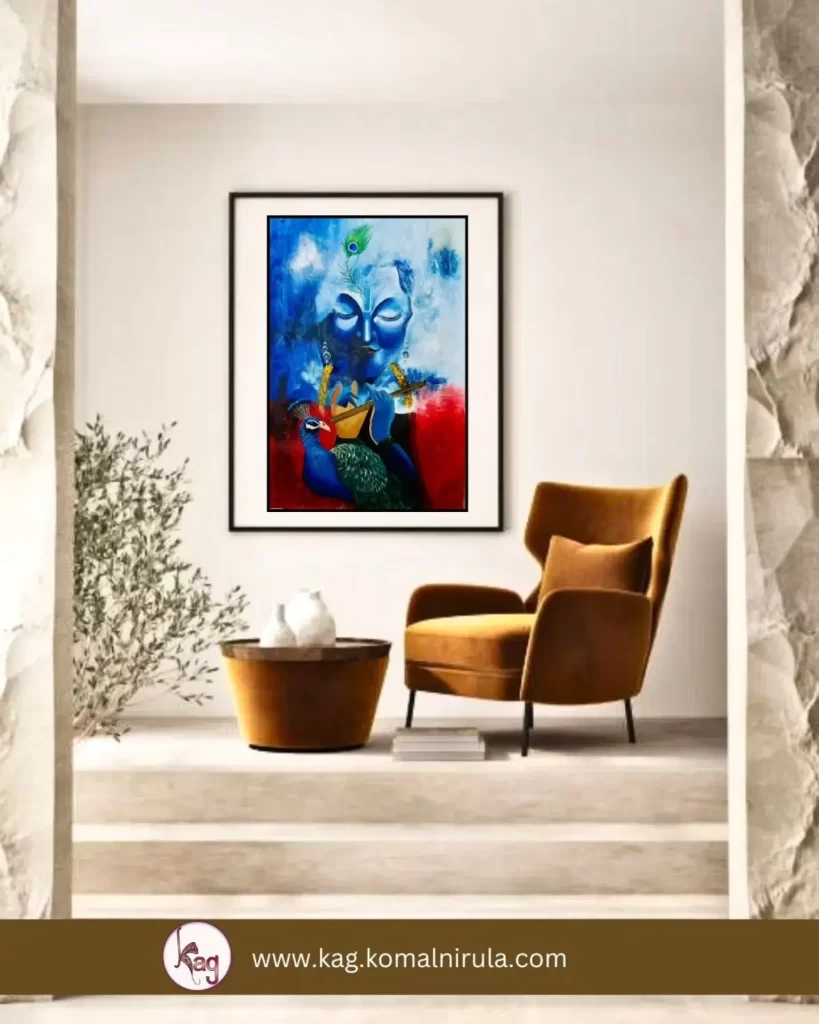
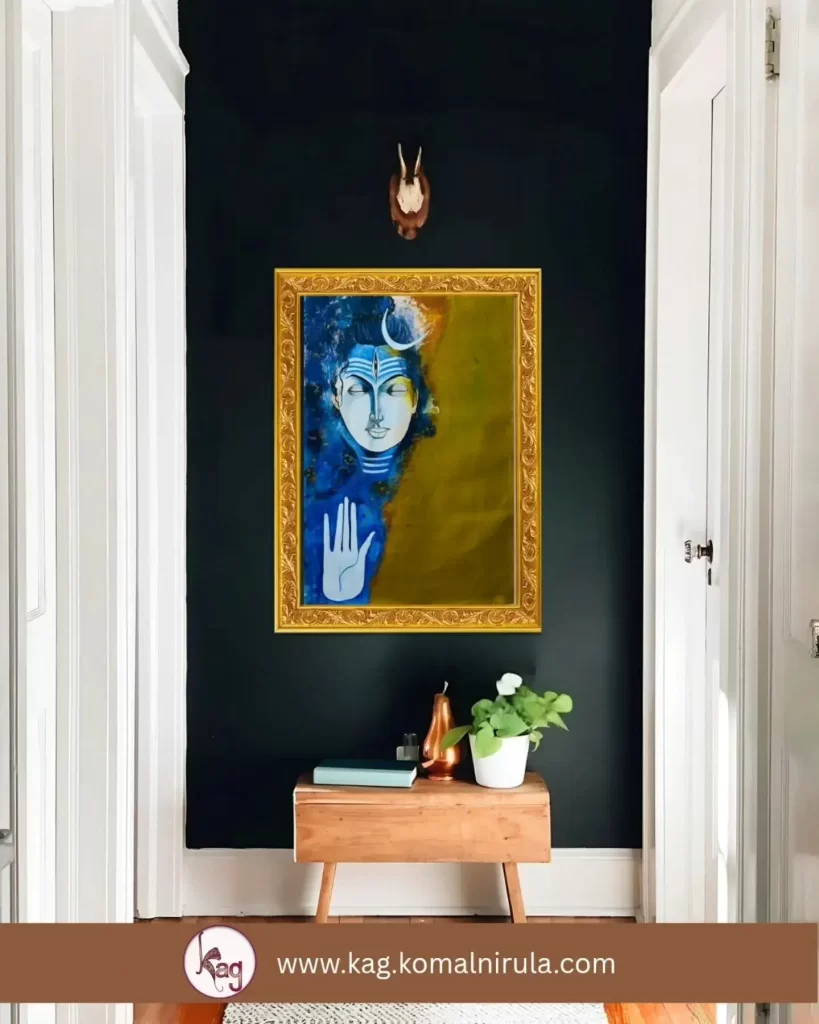

A mat board (the coloured border between the frame and the artwork) is often overlooked but makes a huge difference.
Why Use a Mat:
Matting Tips:
💡 Example:
A watercolour landscape with a white mat and light oak frame instantly feels calm and elegant — perfect for living rooms or hallways.

Even the most beautifully framed painting loses impact without the right lighting.
Also read: Handmade Paintings: Pricing Guide and What to Expect
| Light Type | Best For | Why It Works |
| LED Picture Lights | Most paintings | Energy-efficient, no UV damage |
| Track Lighting | Gallery walls | Adjustable angles |
| Recessed Ceiling Lights | Statement art pieces | Focused spotlight effect |
| Natural Light | Daytime display | Enhances texture and colour depth |
⚠️ Avoid: Direct sunlight — it can fade colours and damage paint over time.
💡 Pro Tip: Use warm (2700K–3000K) LED lights to enhance earthy tones, and neutral white (3500K–4000K) for vibrant colours.
👉 Choosing the right artwork is important, and you can find original handmade paintings suitable for framing and display based on your interior style.
Displaying art is not just about filling empty walls—it’s about placement, proportion, lighting, and visual balance. The right positioning can elevate your entire space, while poor placement can make even a great painting look ineffective.
The living room is the focal point of your home, making it the best place for large statement paintings. A well-placed artwork can instantly define the room’s style and create a strong visual impact.
Tip: Centre the artwork at eye level (approximately 57–60 inches from the floor) for the most comfortable viewing experience.
Pro Tip: If your wall is wide, consider a multi-panel (triptych) painting for a premium look.
Tip: Centre the artwork at eye level (57–60 inches) from the floor.
In bedrooms, artwork should promote calmness and relaxation. Avoid overly loud or chaotic designs and instead focus on soothing compositions.
Example:
A subtle floral or abstract canvas can bring serenity and balance to your sleeping space without overwhelming it.
Pro Tip: Keep lighting soft—use warm lights to enhance the artwork’s mood.
The dining space benefits from artwork that adds warmth and energy, making the environment more inviting for conversations and meals.
Tip: Artwork in dining areas should enhance ambiance, not distract from the overall setup.
Artwork in workspaces plays a psychological role—it can boost focus, creativity, and motivation.
Pro Tip: Avoid overly busy or chaotic paintings—they can reduce concentration instead of improving it.
These areas are often underutilized but are perfect for showcasing art and creating a strong first impression.
Tip: Horizontal layouts work best for long corridors, while vertical arrangements suit compact entryways.
👉 You can also explore wall-ready handmade paintings for different home settings that are easy to frame and position.
Staircase walls offer a unique opportunity to display artwork creatively, especially in homes with vertical space.
Pro Tip: Ensure consistent spacing and alignment to maintain visual harmony.
Even with the perfect frame and lighting, poor hanging can ruin the presentation.
Step-by-Step Hanging Guide:
💡 Pro Tip:
When creating a gallery wall, lay your framed paintings on the floor first to visualize the layout before hanging.
Once framed and displayed, proper care keeps your artwork beautiful for years.
Maintenance Tips:
💡 Example:
If you’ve purchased an acrylic painting from Komal’s Art Gallery, gently clean the glass or acrylic surface using a soft, lint-free cloth — never with harsh chemicals.
Also read detailed post: How to Care for Your Handmade Paintings at Home: A Complete Guide
Professional galleries follow tested techniques to ensure every artwork stands out.
Gallery Display Secrets:
Even experienced collectors make framing errors. Here are a few to avoid:
| Mistake | Why It’s a Problem | Better Approach |
| Using the Wrong Frame Size | Makes the painting look awkward | Measure carefully and match proportion |
| Hanging Too High or Low | Feels unbalanced | Keep the center at eye level |
| Ignoring Room Lighting | Colours appear dull | Use focused LED or track lighting |
| Choosing Overly Ornate Frames | Distracts from the artwork | Simplicity enhances art focus |
| Not Using Protective Glass | Prone to dust and damage | Use UV-protective or museum-grade glass |
If you’re looking to buy handmade paintings, make sure to purchase from reputable art platforms that emphasize authenticity, quality materials, and artist craftsmanship.
A trusted source is Komal’s Art Gallery, where you’ll find:
1. What is the best way to frame a handmade painting?
Use high-quality wooden or floating frames with UV-protective glass to preserve your artwork. Choose a colour that complements the painting’s tones.
2. Should I use glass for handmade paintings?
Yes, especially for watercolour and acrylic paintings. Use museum-grade or UV-protected glass to prevent fading and dust accumulation.
3. How do I choose the right frame colour?
Pick a frame that enhances — not overpowers — your painting. Neutral frames like black, white, or wood work with most colour palettes.
4. Where should I display handmade paintings at home?
Living rooms, bedrooms, and entryways are ideal. Ensure good lighting and maintain eye-level height for best visibility.
5. Can I hang paintings in humid areas like kitchens or bathrooms?
Avoid humidity-prone spaces. Moisture can warp canvases and dull paint colours over time.
6. How often should I clean or dust framed paintings?
Lightly dust the frame and glass every two weeks using a microfiber cloth. Avoid wet cleaning products.
Framing and displaying your handmade paintings the right way turns them into timeless masterpieces. With the right combination of frame, lighting, and placement, your artwork can breathe life into your home.