


Image credit goes to Grok AI
Art has long been a reflection of human creativity, taste, and culture. Among the myriad forms of artistic expression, paintings remain one of the most cherished mediums. However, not all paintings are created equal. For anyone exploring the world of art—whether for home decor, investment, or personal enjoyment—understanding the difference between handmade paintings and mass-produced reproductions is crucial.
In recent years, handmade paintings have gained growing appreciation among art lovers, interior designers, and collectors because they offer artistic individuality, visible craftsmanship, and a stronger emotional connection compared to factory-produced reproductions.

Handmade paintings are crafted entirely by the hands of artists. Each piece is unique, carrying subtle differences in texture, colour, and brush strokes that make it impossible to replicate exactly. These works often reflect the artist’s personality, creativity, and dedication, making them appreciated by collectors, homeowners, and art enthusiasts.
Unlike mechanically reproduced artwork, handmade paintings often contain natural variations in layering, colour intensity, and brush movement that reflect the artist’s individual creative process. These subtle imperfections are often considered part of the artwork’s authenticity and artistic charm.
👉 You can also read our detailed article on what makes a painting truly handmade to better understand artistic craftsmanship and manual painting techniques.
Handmade paintings feel more authentic because they preserve the direct involvement of the artist throughout the creative process. Every brush stroke, texture layer, and colour variation reflects manual effort and artistic decision-making that cannot be perfectly replicated by machines or automated printing methods.
This human element gives handmade artwork a stronger emotional presence and a more organic visual character compared to mass-produced reproductions.
Many art enthusiasts continue to appreciate original handmade artwork because of the depth, texture, and individuality that handcrafted paintings bring to artistic and interior spaces.
👉 Explore Collection of Handmande Paintings
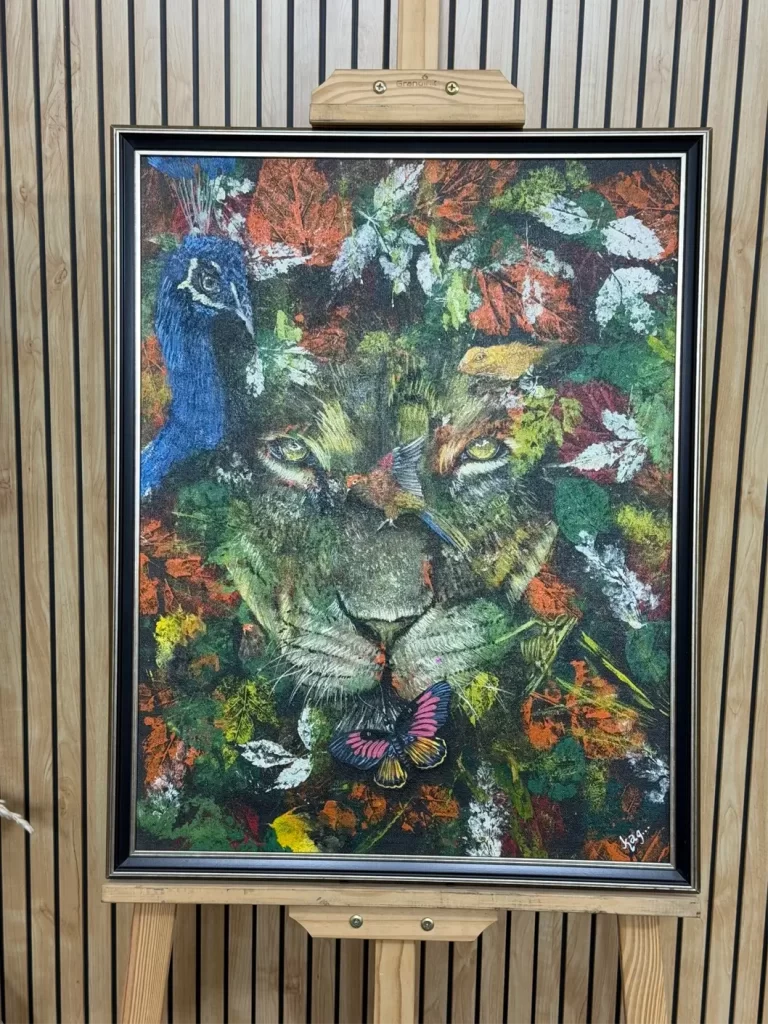
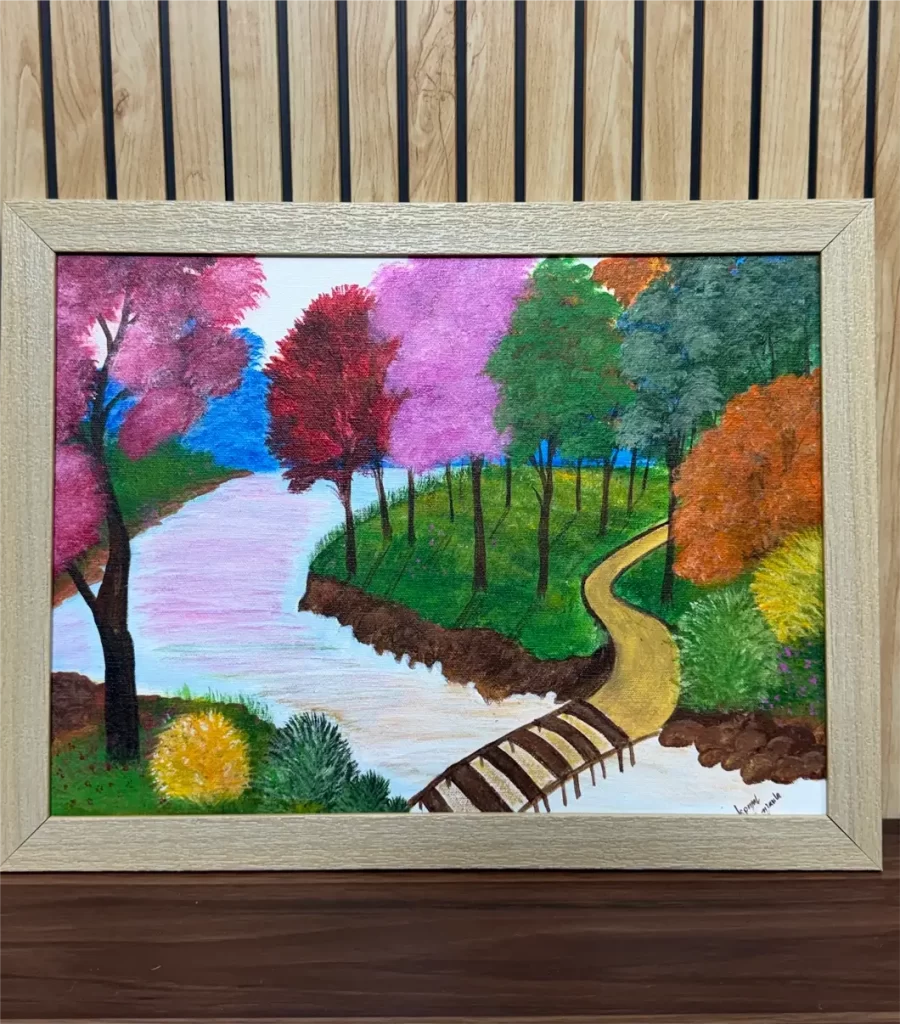
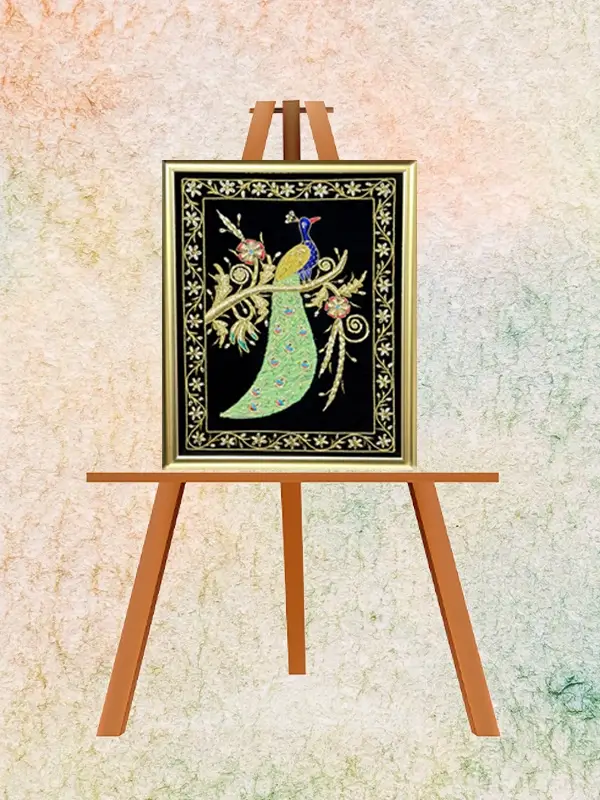
Handmade paintings are often appreciated for their originality, craftsmanship, and emotional depth. Because every artwork is individually created, handmade paintings carry a stronger sense of exclusivity and artistic identity compared to mass-produced reproductions.
Many collectors and interior designers value handmade artwork because it creates more distinctive and visually engaging spaces while preserving the authenticity of artistic expression.
Unlike factory-produced décor, handmade paintings often reflect the artist’s personal style, creative interpretation, and manual craftsmanship, making every piece feel more meaningful and unique.
Mass-produced paintings are created in large quantities using mechanical or digital methods. These pieces are often identical copies of an original design, with limited variation in colour, texture, or detail.
Although mass-produced artwork can be visually appealing for decorative purposes, the production process prioritizes consistency and scalability rather than artistic individuality.
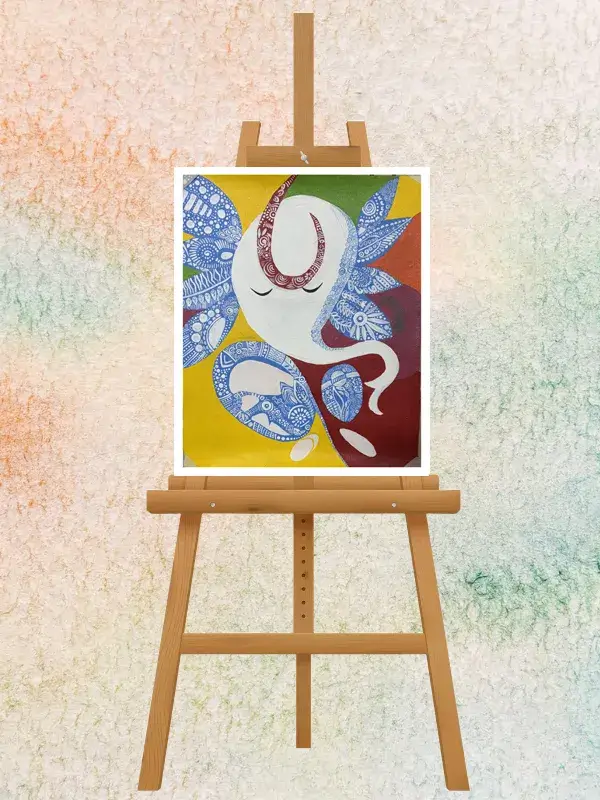


Although handmade and mass-produced paintings may sometimes appear visually similar from a distance, they differ significantly in craftsmanship, originality, texture, artistic value, and emotional connection. Handmade paintings are created individually by artists, making every piece unique, while mass-produced artwork is designed for large-scale reproduction and consistency. Understanding these distinctions helps viewers better appreciate the artistic, cultural, and creative differences between handmade and industrially reproduced artwork.
While handmade and mass-produced paintings may sometimes appear visually similar in photographs or from a distance, the difference becomes much more noticeable when examining texture, originality, craftsmanship, and emotional presence in real environments.
| Feature | Handmade Paintings | Mass-Produced Paintings |
|---|---|---|
| Originality | Completely unique | Repeated copies |
| Texture | Visible brushwork | Usually flat |
| Artistic Value | High | Mostly decorative |
| Production Method | Handcrafted | Machine/digital production |
| Emotional Connection | Stronger | Limited |
| Investment Potential | Better long-term value | Low resale value |
| Customization | Possible | Limited |
| Durability | Often longer-lasting | Depends on print quality |
Handmade paintings showcase meticulous attention to detail, with each brush stroke reflecting the artist’s skill. Mass-produced pieces, in contrast, are standardized and may lack depth or subtlety.
Handmade paintings are often appreciated beyond decorative purposes because they represent artistic effort, cultural expression, and individual creativity. Many original artworks maintain emotional and artistic significance over time, while mass-produced reproductions are generally created primarily for large-scale decorative use.
Original handmade paintings naturally contain unique artistic variations, brush textures, and creative details that cannot be perfectly duplicated. These characteristics contribute to the authenticity and individuality of handmade artwork.
Mass-produced paintings, in contrast, are designed for uniform reproduction, meaning identical copies can exist across multiple decorative spaces.
Handmade artwork often supports independent artists, traditional craftsmanship, and slower creative production methods that prioritize artistic quality over large-scale manufacturing.
Many handmade paintings are created through time-intensive manual processes, while mass-produced décor is generally optimized for rapid reproduction and commercial scalability.
Understanding the visual characteristics of handmade artwork can help viewers better appreciate artistic craftsmanship and originality. Visible texture, layered brushwork, slight detailing variations, and natural imperfections are often signs of manually created artwork.
👉 For a more detailed authenticity guide, you can also read our article on how to spot authentic handmade paintings.
Handmade paintings often carry emotional, cultural, and artistic significance that extends beyond simple decoration. Because they are created through individual artistic expression, handmade artworks frequently reflect personal stories, traditions, symbolism, and creative interpretation.
In many cultures, handmade art is valued not only for its appearance but also for its connection to heritage, craftsmanship, and human creativity. This deeper artistic connection is one of the reasons why many people continue to appreciate original handmade paintings despite the growing availability of mass-produced décor.
👉 Also read:- Rising Popularity of Handmade Paintings in India
Understanding the differences between handmade and mass-produced paintings helps viewers appreciate the artistic value, craftsmanship, and originality behind authentic artwork.
While mass-produced paintings can serve decorative purposes, handmade paintings continue to hold stronger emotional, cultural, and artistic significance because of the human creativity involved in their creation.
As interest in authentic craftsmanship and personalized interiors continues to grow, handmade artwork remains an important expression of artistic individuality and creative tradition.
Handmade paintings are individually created by artists using manual techniques, making every piece unique. Mass-produced paintings are reproduced in large quantities using printing or machine-based methods, resulting in identical copies.
Handmade paintings require artistic skill, time, quality materials, and detailed craftsmanship. The originality and manual effort involved make them more valuable than machine-produced artwork.
Handmade paintings are generally considered more authentic and valuable because they offer originality, visible texture, emotional depth, and artistic individuality that printed artwork often lacks.
You can identify handmade paintings by looking for visible brush strokes, texture variations, artist signatures, layered paint details, and slight imperfections that indicate manual craftsmanship.
Yes. Mass-produced paintings are usually more affordable, widely available, and suitable for budget-friendly decorative purposes. They can work well for temporary or casual interior styling.
In many cases, yes. Handmade paintings created with high-quality materials and proper care often maintain their colour, texture, and artistic appeal for many years.
Handmade paintings often feel more personal because they reflect direct human creativity, artistic expression, and manual craftsmanship. Natural brush variations, texture, and creative imperfections help create a stronger emotional and artistic connection compared to factory-produced reproductions.
Some high-quality reproductions may resemble handmade paintings visually, but they usually lack authentic brush texture, originality, and the artistic depth found in original artwork.
Handmade paintings are usually better for creating personalized, elegant, and artistic interiors, while mass-produced artwork is more suitable for budget-conscious decorative styling.
Many homeowners prefer handmade paintings because they add character, exclusivity, emotional connection, and artistic sophistication to interior spaces.